
Review - Sentimental Value

Directed by: Joachim Trier
Written by: Eskil Vogt, Joachim Trier
Starring: Renate Reinsve, Stellan Skarsgard, Elle Fanning
Running Time: 135 Minutes
Rating: 4.5/5
Joachim Trier’s Sentimental Value is one of his finest achievements — a film as layered, elusive, and emotionally precise as The Worst Person in the World, if not more quietly devastating. It is a work that resists easy emotional cues, one that understands sentiment not as something loud or indulgent, but as something that drifts in and out of our lives — lingering, receding, returning when we least expect it. Like the people who shape us, its emotional weight is inconsistent by design. It arrives in waves. It disappears. It leaves cracks behind.
Those cracks — emotional, architectural, generational — define the film.
When Nora’s mother passes away, she is reunited with her estranged father, Gustav Borg, a once-renowned filmmaker now living in the long shadow of his own legacy. Gustav exists in a kind of professional purgatory: sustained by festival retrospectives, archival invitations, and the hollow prestige of a career that may already be behind him. When he reaches out to Nora, it initially appears as an olive branch — a chance, perhaps, at reconciliation after a childhood defined by distance and emotional absence.
Instead, Gustav offers her a role.
His new film, inspired by his own mother’s life, casts Nora as its lead — a gesture she immediately recognizes as transactional, even exploitative. What Gustav frames as art, Nora reads as emotional shorthand: a cheap stand-in for accountability, intimacy, and apology. She refuses, and in doing so draws a line between memory and healing — between representation and repair.
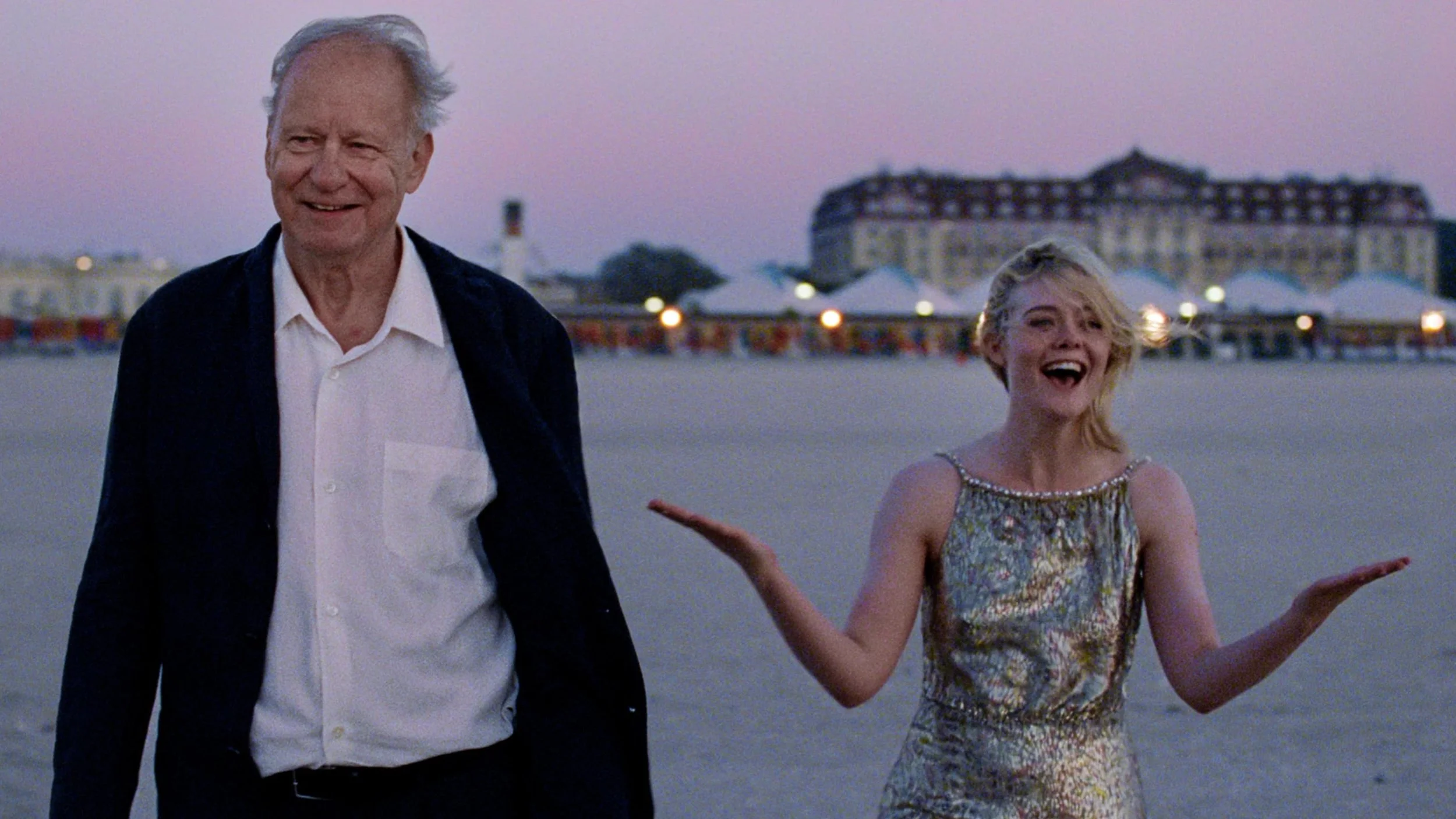
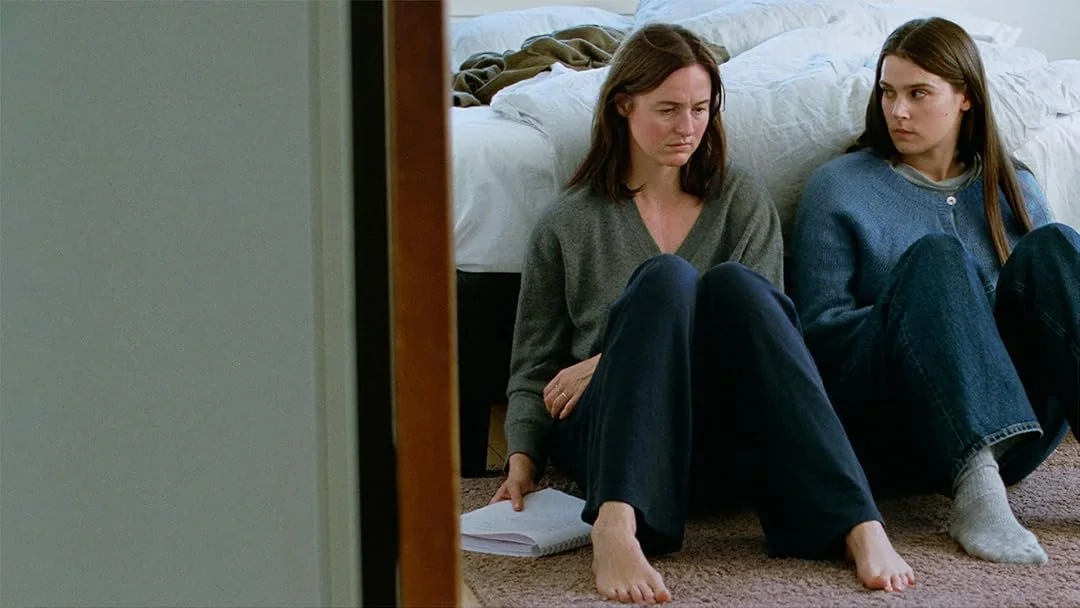
From there, Sentimental Value unfolds as a careful unearthing of long-buried wounds. Gustav moves forward with the project regardless, casting Rachel Kemp (Elle Fanning), a rising American actress who struggles to access the emotional specificity of a life she does not know. Meanwhile, Gustav insists on filming in the family’s old home, forcing Nora and her sister Agnes to confront a man who reenters their lives with an urgency to move on, but shattering the complacency held close for years.
What Trier captures so beautifully is not confrontation, but erosion.
Words lose meaning. Intentions misfire. Silence does more damage than anger ever could. Sentimental Value is not interested in redemption arcs or grand emotional reckonings — it is an honest, unsparing study of familial fracture, of the ways time dulls pain without ever fully erasing it. Forgiveness is not framed as inevitable, nor is reconciliation treated as moral obligation. Some wounds calcify. Some relationships simply age out of repair.
The performances across the board are extraordinary. Renate Reinsve delivers a deeply interior, devastating turn as Nora — a woman suspended between guilt and self-preservation, longing and resentment. Stellan Skarsgård is equally commanding as Gustav, embodying a man whose artistic confidence stands in stark contrast to his emotional illiteracy. He is not villainous, nor is he sympathetic — he is painfully human, reaching too late and asking too much. He drinks, he side-eyes, he says what means. Each word a dagger to his daughters.
Inga Ibsdotter Lilleaas brings quiet strength and grounding presence as Agnes, while Elle Fanning’s Rachel becomes a fascinating emotional proxy — an outsider attempting to inhabit a family’s unresolved grief through performance alone. Each character carries their own weight, never reduced to function or foil.
Trier’s direction is measured and patient, allowing meaning to accumulate rather than announce itself. The family home becomes a living metaphor: every creaking stair, every worn floorboard, every visible crack a record of time passing without repair. Memory lives in architecture. Pain embeds itself in space. The house remembers even when its occupants try not to.
Sentimental Value may confound audiences expecting overt emotional release, but that is precisely its power. It understands that sentiment is not constant — that love does not always arrive cleanly, and that family is not something we outgrow, no matter how far we drift. Across weeks, months, years, and decades, blood remembers. The body remembers. The house remembers.
A profoundly resonant, mature, and deeply human work — Sentimental Value is Trier at his most restrained, and perhaps his most devastating.
Sentimental Value releases nationwide November 17th.