Review - No Other Choice
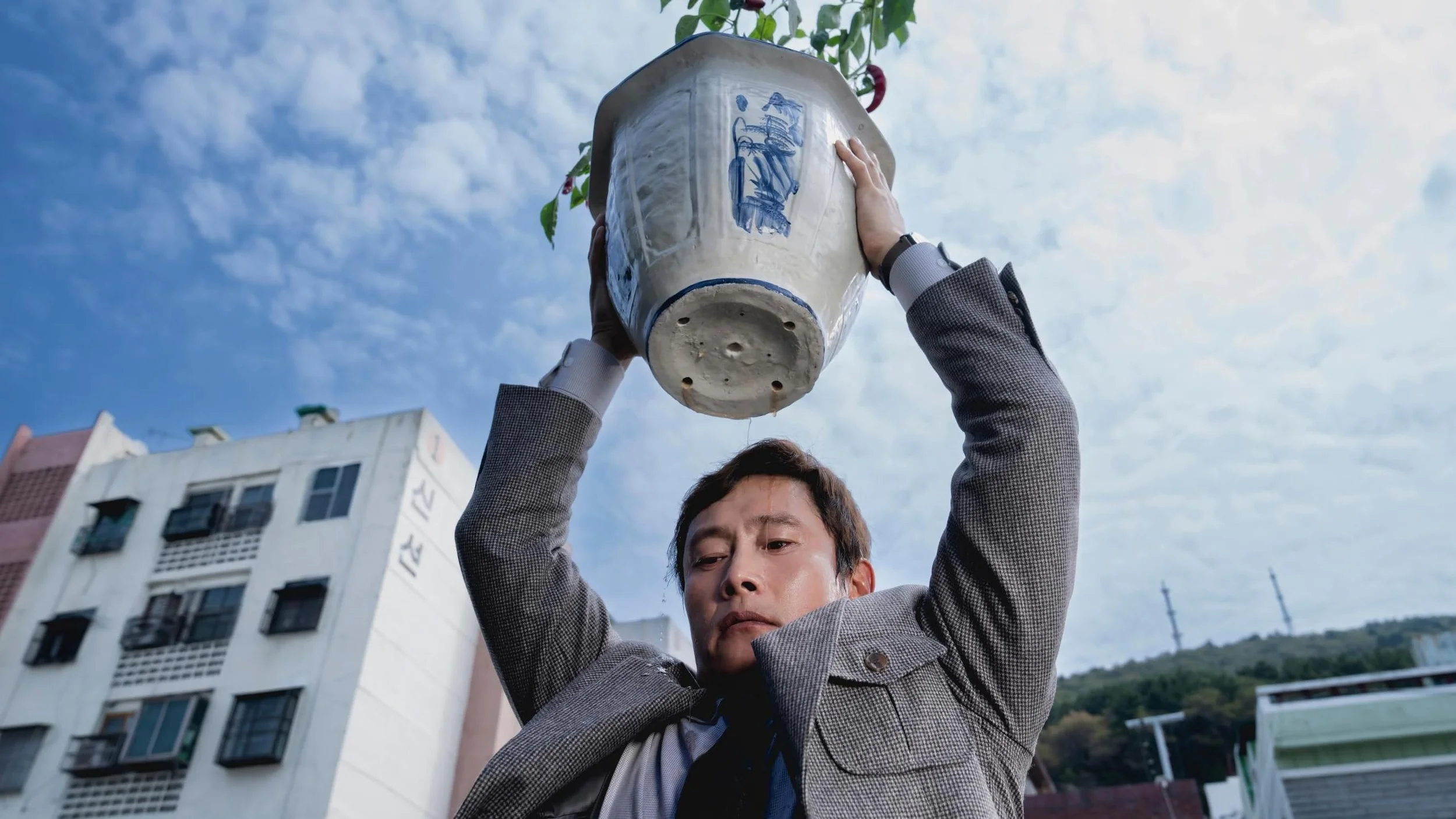
Directed by: Park Chan Wook
Written by: Park Chan-Wook, Don McKellar, Lee Kyoung-Mi, Lee Ja-hye
Starring: Lee Byung-hun, Son Ye-jin
Running Time: 139 Minutes
Rating: 5/5
No Other Choice is another staggering entry in one of the most diverse and fearless filmographies in modern cinema. Park Chan-Wook again delivers a darkly comic misadventure that spirals through misfortune, humiliation, and masculine collapse. We laugh, we cry, and we recoil — sometimes all at once — as Park once again forces us to confront the uglier corners of the human condition with a masterful surgical precision and perverse delight.
Man-su has everything. A loving wife, two beautiful children, a pristine home, financial comfort, and a quiet confidence in his place in the world. The film opens in bliss - backyard dancing, soft sunlight and a familial warmth - a domesticated perfection of a nuclear family, an idealized picture-perfect upper-class success. It instantly shatters when an American conglomerate acquires Man-su’s paper company, discarding him like a relic of a bygone corporate era. His optimism is unparalleled, in 3 months he’ll be back in another company - with no changes.
13 months passes and Man-su begins to unravel.
What follows is not merely unemployment, but a complete erosion of identity. Mortgage payments loom. Family pets are sent away. Extracurriculars are cancelled. Netflix disappears. Park renders these small indignities with razor-sharp satire — each one a symbolic stripping of Man-su’s masculinity, autonomy, and pride.
His wife, Mi-ri, goes back to work as a dental assistant, to which Man-su notices her growing closer to her colleague, a younger, more suave and professionally successful dentist, Jin-ho. With an opportunity on the horizon, Man-su convinces himself that he is left with no other choice - to provide for his family by any means necessary - eliminate any candidate superior to him in his race for a new job.
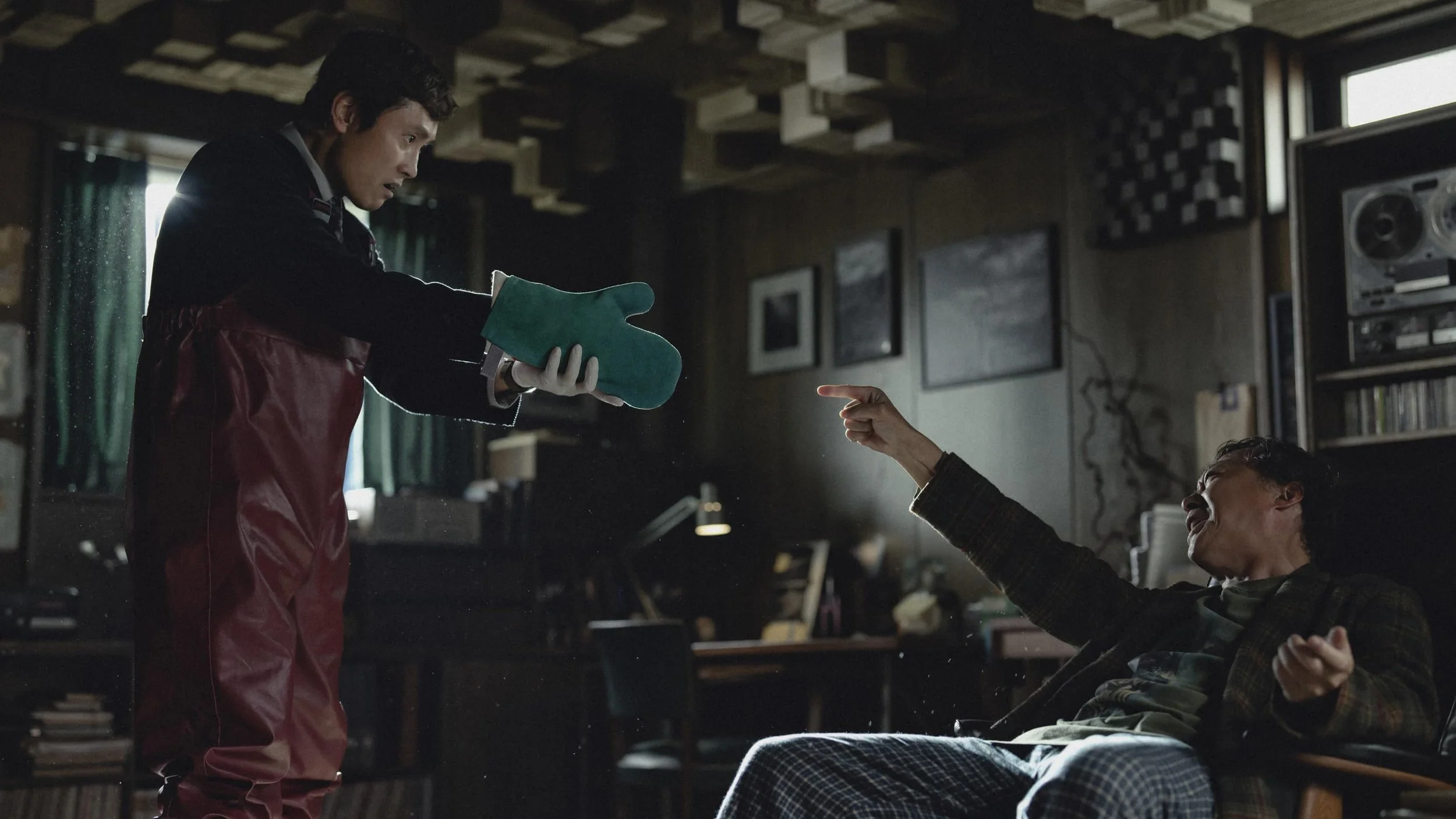
No Other Choice is less a thriller than a grotesque comedy of errors — a film that understands violence not as spectacle, but as humiliation, failure, and panic. Man-su’s descent is clumsy, pathetic, and terrifying. Each attempted act of control only further exposes his fragility, his entitlement, and the hollowness beneath the image of the “successful man.”
Lee Byung-hun is extraordinary. His performance is deeply physical — his face contorting with rage, shame, fear, and delusion. He stumbles, sweats, collapses, and recoils, transforming Man-su into a tragic figure of modern irrelevance. There is something almost slapstick in his misery, but Park never lets us laugh without consequence. The comedy is cruel, and it cuts both ways.
Son Ye-jin is equally compelling as Mi-ri — poised, empathetic, and quietly devastating. Her performance anchors the film’s emotional core, offering a counterpoint to Man-su’s spiraling obsession. She stands by him not out of blind devotion, but out of weary love — a performance filled with restraint, sorrow, and piercing clarity.
Park Chan-Wook is in total command. His editing is ruthless, his transitions playful and disorienting, and his visual compositions immaculate. Even in its most comedic moments, the film is meticulously constructed — every frame reinforcing the claustrophobia of a man trapped by his own self-worth. Park’s tonal control is unmatched; the film glides effortlessly between satire, thriller, and psychological horror without ever losing its grip.
No Other Choice is a bleak, hilarious, and deeply unsettling reflection on capitalism, masculinity, and the terror of becoming obsolete. It is a film about entitlement masquerading as desperation — about what happens when identity is built entirely on status, and that status is taken away.
Park Chan-wook doesn’t offer redemption. He offers truth. And it is viciously funny, profoundly uncomfortable, and impossible to look away from.
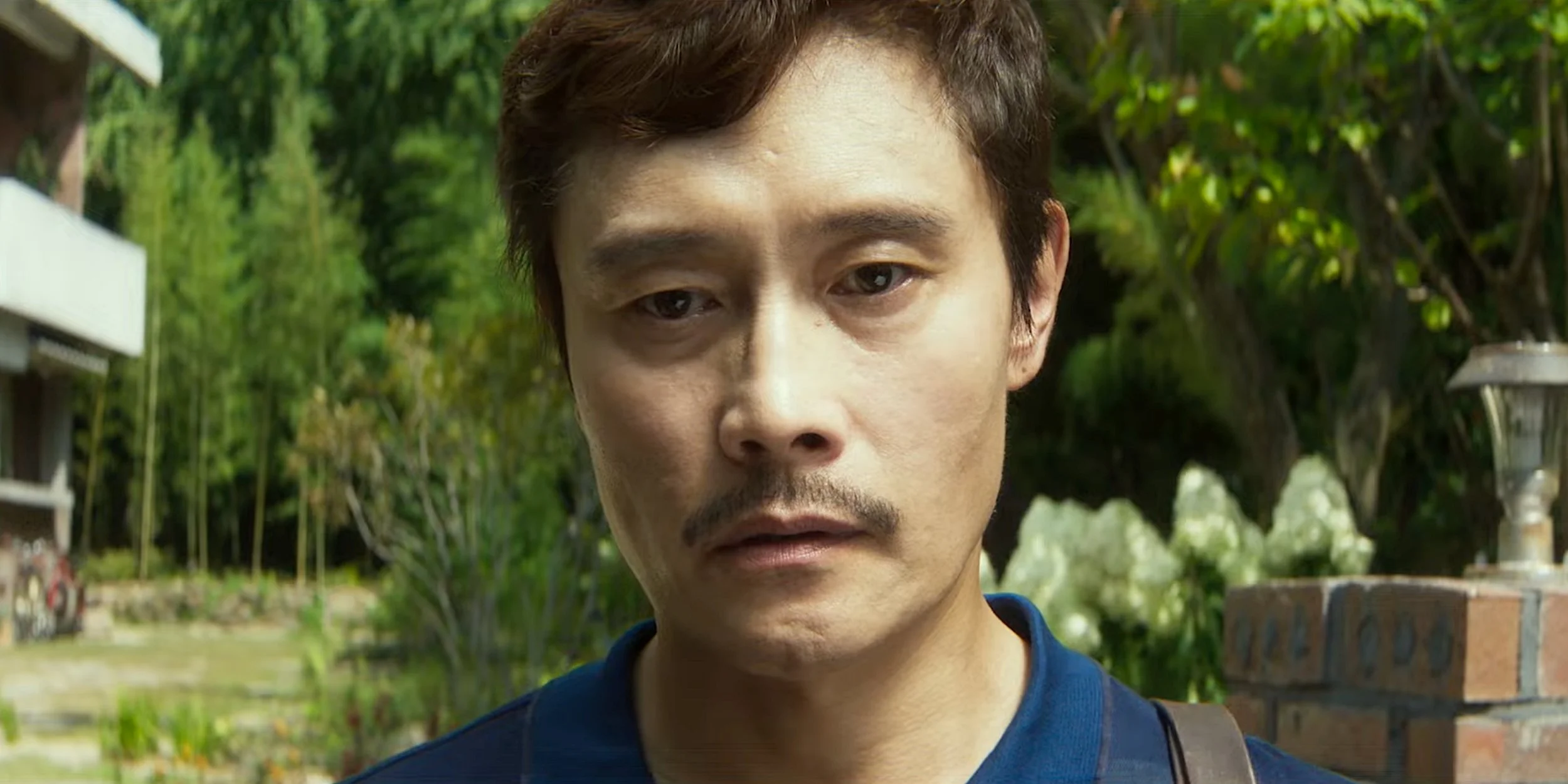
No Other Choice releases Christmas Day nationwide.